

October 30, 2026 • 3 min read
What we’re watching as the race for copper accelerates
Copper is attracting fresh investor attention as forecasts point to sharply higher demand. But the bigger question is shifting from how much copper the world needs to how quickly the industry can turn existing resources into reliable supply. Worley’s Simon Yacoub identifies three signals that could shape the next phase.

Copper is firmly back in the spotlight.
Glencore, the global miner and commodities company, listed on the Australian Securities Exchange this month, adding to its presence on the London and Johannesburg bourses. It was reported that more than AU$130 million of its securities were traded on its first day, giving more investors a route to copper exposure.
S&P Global expects global copper demand to rise 50 percent by 2040, driven in part by economic demand, the energy transition and growing requirements from AI and data centers. It also projects there could be a potential 10 million metric tonne supply shortfall by 2040. Copper’s strategic importance is clear, with the United States designating copper as a critical mineral last year.
For Simon Yacoub, Worley’s Global Sector Lead for Resources, the numbers sharpen a question already confronting the industry: Where will the additional copper come from?This is made more challenging as the quality of copper being mined diminishes at the same time as demand increases.
“The challenge isn’t simply finding more copper,” says Yacoub, who spent years at Worley in Chile, as well as in Australia, leading mining, minerals and metals. “It’s working out how to get more from existing assets while developing the next generation of supply.”
And increasingly that comes down to delivery.
So what matters next? Here are three things we’re watching.
The race for the fastest tonnes
One of the clearest signals will be how much more copper producers can extract from assets already operating.
“That’s the fastest pathway to incremental tonnes,” says Yacoub. “You’ve already got your permits in place. You’ve already got your infrastructure, like your power, your water and your labour force.”
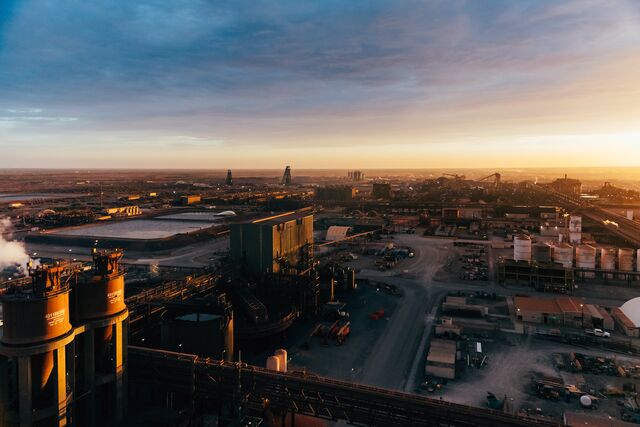
Across the sector, miners are looking at brownfield expansions, resource extensions and historical tailings as ways to bring additional copper into the supply chain.
Brownfield investment, mine-life extensions and recovery improvements that could bring additional tonnes to market faster, without waiting for a new mine to come online.
Which major projects actually move
Getting more from existing assets can provide part of the response. But it doesn’t remove the need for new supply.
Long-term demand forecasts do not automatically create new supply. The important signal will be which proposed copper developments can move through studies, investment decisions and construction to become operating assets.
BHP is progressing its plans to sustainably grow copper production, for instance. Worley has been awarded contracts by BHP to provide study and engineering, procurement and construction management (EPCM) services for expansion projects at Olympic Dam and Carrapateena in South Australia (which remain subject to final investment decision by BHP).
Major investment decisions that turn copper resources into deliverable projects.
How much AI changes the equation
Electrification is not new. AI is adding another dimension.
S&P Global identifies AI and data centers as another growing source of copper demand alongside established drivers including electrification.
Aluminium can replace copper in some electrical applications, particularly where its lighter weight and lower cost are advantages. But aluminium isn’t as conductive, so it generally needs greater scale to carry an equivalent electrical load. That makes substitution harder.
For Yacoub, that means there is not yet a straightforward replacement for copper across the applications driving demand. “We haven’t quite found the substitute yet,” says Yacoub. “And for as long as we don’t, this equation is going to hold up.”
How the underlying drivers of copper demand evolve, from electrification and grid investment to digital infrastructure and data centers.
The bottom line
Copper’s current moment is not just about price or investor interest.
The next phase for the copper market will be defined by how quickly the industry can develop and deliver the projects that will turn resources into reliable supply.
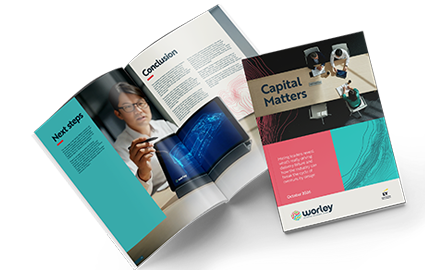
From cost and schedule overruns to confidence in capital delivery. Our Capital Matters paper with EY explores why mining projects keep running over, and what needs to change.

Subscribe to Worley news
